Greenhouse farming is a highly efficient and productive method of crop production that has gained significant popularity in recent years. In South Africa, the demand for high-quality fresh produce has driven the growth of greenhouse farming, which offers many advantages over traditional farming methods.
In this article, we will explore the benefits, challenges, and opportunities of greenhouse farming in South Africa. From the climate and soil conditions to the most common crops and technologies, we will provide a comprehensive overview of this exciting and dynamic sector.
Benefits of Greenhouse Farming in South Africa
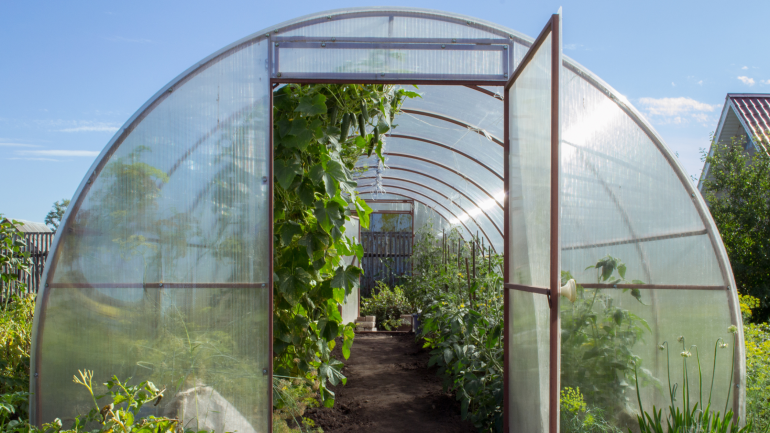
The South African climate is highly conducive to greenhouse farming, with its warm and sunny weather throughout most of the year. This provides ideal conditions for a wide variety of crops, including fruits, vegetables, flowers, and herbs. Greenhouses also offer protection from pests, diseases, and extreme weather events, which can be a significant risk factor for traditional farming methods.
In addition, greenhouse farming allows for precise control of temperature, humidity, light, and water, which can significantly increase crop yields and quality. This makes it possible to grow crops year-round, regardless of the season, which can provide a stable and predictable source of income for farmers.
Challenges of Greenhouse Farming in South Africa
While greenhouse farming offers many benefits, it also presents several challenges that must be carefully managed. One of the most significant challenges is the high initial investment required to set up a greenhouse, which can be a barrier to entry for many farmers.
In addition, greenhouse farming requires specialised skills and knowledge, including crop management, irrigation, and pest control, which can be challenging for inexperienced farmers. Climate control is also critical, and greenhouse operators must be able to monitor and adjust environmental conditions to ensure optimal crop growth.
Another challenge is the availability of water, which is a scarce resource in many parts of South Africa. Efficient water management is essential, and greenhouse operators must use technologies such as drip irrigation and water recycling to minimise waste and ensure adequate water supply for their crops.
Opportunities in Greenhouse Farming in South Africa
Despite the challenges, greenhouse farming offers many opportunities for farmers in South Africa. The growing demand for fresh produce, especially in urban areas, presents a significant market opportunity for greenhouse operators. This is particularly true for high-value crops such as tomatoes, peppers, and cucumbers, which are in high demand year-round.

In addition, the adoption of new technologies such as hydroponics, vertical farming, and automation is transforming the greenhouse farming sector, making it more efficient, productive, and sustainable. These technologies can significantly reduce labor costs, improve crop quality, and reduce environmental impacts.
Conclusion
Greenhouse farming in South Africa is a dynamic and rapidly evolving sector that offers many opportunities for farmers who are willing to invest in the necessary skills, knowledge, and technologies. While there are challenges to be addressed, such as high capital costs and water scarcity, the benefits of greenhouse farming, including year-round crop production, high yields, and improved crop quality, make it an attractive option for farmers looking to increase their income and contribute to the country’s food security.
As demand for fresh produce continues to grow in South Africa and around the world, greenhouse farming is likely to play an increasingly important role in meeting this demand and providing sustainable, high-quality food for consumers.