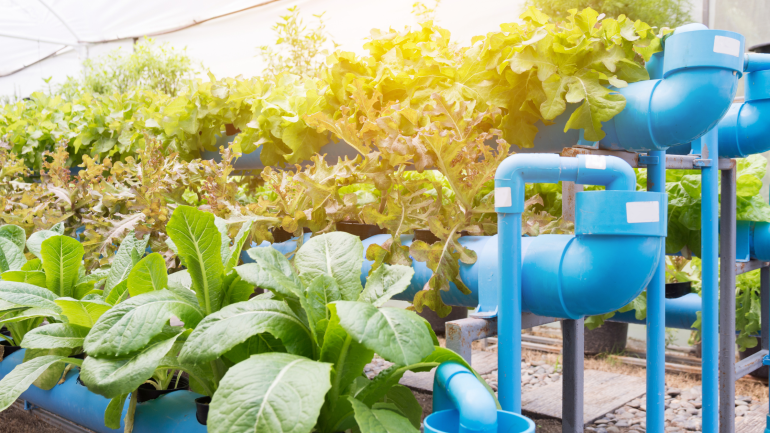
Hydroponics is a form of farming that is gaining traction in South Africa due to its numerous benefits. This method of growing plants does not rely on soil and instead utilises a nutrient-rich water solution to provide the plants with everything they need to thrive. Hydroponic systems are highly efficient, using less water and space than traditional farming methods. In this article, we will explore the benefits of hydroponics in South Africa and how it is being implemented in the country.
Benefits of Hydroponics in South Africa
What are the benefits of hydroponics in South Africa?
-
Water Efficiency
South Africa is a water-scarce country, and hydroponics is an effective way to conserve water. Hydroponic systems use up to 90% less water than traditional farming methods. This is because the water used in the system is constantly recycled, reducing the amount of water that is wasted. In a country like South Africa, where water is a scarce and precious resource, hydroponics can help farmers to grow crops in a more sustainable and environmentally friendly way.
-
Space Efficiency
Hydroponic systems can be set up in almost any location, making it a great option for small-scale farmers. This method of farming does not require large plots of land or soil, which is beneficial for farmers who have limited access to land or live in urban areas. It also enables farmers to grow plants in areas where soil is not conducive to farming, such as areas with high salinity or soil contamination.
-
Higher Yield
Hydroponic farming produces higher yields than traditional farming methods. This is because hydroponic systems provide the plants with the nutrients they need in a more controlled and efficient manner, resulting in healthier plants and higher yields. Additionally, hydroponic systems can grow plants all year round, which means that farmers can increase their output and income.
-
Lower Costs
Hydroponic farming has lower operational costs than traditional farming methods. Hydroponic systems require less water, fertilisers, and pesticides than traditional farming, which reduces the cost of production. Additionally, hydroponic systems can be automated, which saves time and labor costs. In South Africa, where many small-scale farmers struggle to make ends meet, hydroponics can provide an alternative source of income that is both cost-effective and environmentally friendly.
Implementation of Hydroponics in South Africa
Hydroponics is still a relatively new concept in South Africa, but it is gaining popularity, particularly in urban areas. In recent years, there has been an increase in the number of hydroponic farms and businesses across the country. Many of these farms are small-scale operations that use hydroponics to grow a variety of crops, including lettuce, tomatoes, and herbs.
One such example is the Khula Njalo hydroponic farm, which is based in the Western Cape. The farm uses hydroponics to grow a variety of herbs and vegetables, which are sold to local restaurants and markets. The farm has been praised for its innovative and sustainable approach to farming, and it has been successful in providing fresh produce to local communities.
Another example is the Urban Farms hydroponic project, which is based in Johannesburg. This project uses hydroponics to grow vegetables and herbs in recycled shipping containers. The project aims to provide fresh produce to the local community while also promoting sustainable farming practices.
In addition to small-scale operations, hydroponics is also being implemented in larger commercial farms in South Africa. For example, the Nulandis hydroponic farm in KwaZulu-Natal is a large-scale operation that produces a variety of crops, including lettuce, spinach, and herbs. The farm uses a sophisticated hydroponic system that is controlled by a computer program, which ensures that the plants receive the exact amount of water and nutrients they need.
Challenges to Implementation of Hydroponics in South Africa
Hydroponics is still a relatively new concept in South Africa, but it is gaining popularity, particularly in urban areas. In recent years, there has been an increase in the number of hydroponic farms and businesses across the country. Many of these farms are small-scale operations that use hydroponics to grow a variety of crops, including lettuce, tomatoes, and herbs.
One such example is the Khula Njalo hydroponic farm, which is based in the Western Cape. The farm uses hydroponics to grow a variety of herbs and vegetables, which are sold to local restaurants and markets. The farm has been praised for its innovative and sustainable approach to farming, and it has been successful in providing fresh produce to local communities.
Another example is the Urban Farms hydroponic project, which is based in Johannesburg. This project uses hydroponics to grow vegetables and herbs in recycled shipping containers. The project aims to provide fresh produce to the local community while also promoting sustainable farming practices.
In addition to small-scale operations, hydroponics is also being implemented in larger commercial farms in South Africa. For example, the Nulandis hydroponic farm in KwaZulu-Natal is a large-scale operation that produces a variety of crops, including lettuce, spinach, and herbs. The farm uses a sophisticated hydroponic system that is controlled by a computer program, which ensures that the plants receive the exact amount of water and nutrients they need.
Challenges to Hydroponics in South Africa
While hydroponics has many benefits, there are also challenges to its implementation in South Africa. One of the main challenges is the lack of awareness and knowledge about hydroponics among farmers. Many farmers are still not familiar with hydroponics, which makes it difficult for them to implement the technology in their farms.
Another challenge is the high cost of setting up a hydroponic system. While hydroponic systems are cost-effective in the long run, the initial investment required to set up a hydroponic system can be a barrier for many farmers. This is particularly true for small-scale farmers who may not have the resources to invest in a hydroponic system.
Furthermore, hydroponic systems require a constant supply of electricity, which can be a challenge in areas with unreliable electricity supply. This means that farmers may need to invest in alternative sources of energy, such as solar power, which can add to the cost of the system.
Hydroponics is an innovative and sustainable farming method that has the potential to revolutionise agriculture in South Africa. Its numerous benefits, including water and space efficiency, higher yield, and lower costs, make it an attractive option for farmers. However, there are also challenges to its implementation, such as the lack of awareness and knowledge among farmers, the high cost of setting up a system, and the need for a constant supply of electricity. To fully realise the potential of hydroponics in South Africa, these challenges will need to be addressed, and greater awareness and support will be required.