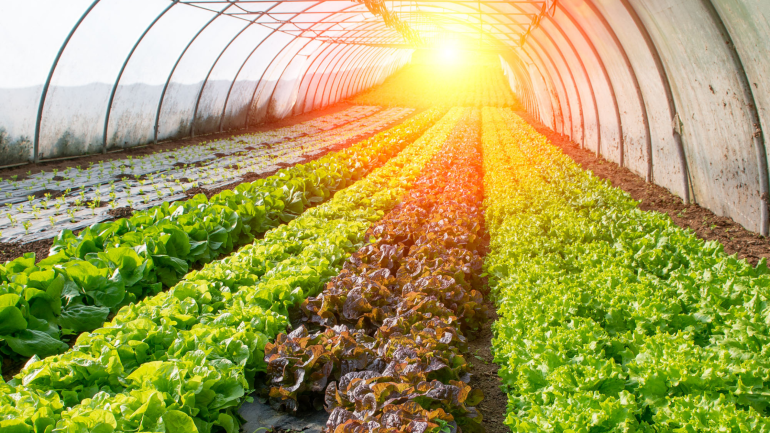
Growing plants in a greenhouse has become an increasingly popular method among gardeners and farmers. This controlled environment offers the ability to manage temperature, humidity, and light levels, creating ideal conditions for plants to flourish. In this article, we will explore the multiple benefits of growing plants in a greenhouse, from extending the growing season to enhancing plant yields and protecting crops from pests and diseases.
Extended Growing Season when Growing Plants in a Greenhouse
One of the key benefits of growing plants in a greenhouse is the ability to extend the growing season. Greenhouses provide a sheltered environment where plants are protected from adverse weather conditions such as frost, hail, or strong winds. By regulating the temperature inside the greenhouse, growers can simulate a favourable growing environment all year round, even in regions with shorter natural growing seasons. This advantage allows for year-round crop production, ensuring a continuous supply of fresh produce. Additionally, greenhouse growers can start seedlings earlier in the season, allowing them to transplant the crops outside once outdoor conditions become more suitable. This leads to earlier harvests and increases the overall growing potential.
Increased Yields when Growing Plants in a Greenhouse
Growing plants in a greenhouse often results in significantly higher yields compared to traditional outdoor farming. With complete control over the growing environment, including temperature, humidity, and light exposure, greenhouse farmers can optimise growing conditions for maximum productivity. Plants inside a greenhouse grow in a more stable environment, free from the temperature fluctuations and severe weather conditions that can hinder growth outdoors. The ability to maintain ideal conditions encourages plants to grow faster, stronger, and more consistently. This, in turn, leads to larger yields. Furthermore, by reducing exposure to outdoor pests and diseases, the risk of plant damage is minimised, allowing crops to thrive without disruption.
Protection from Pests and Diseases in a Greenhouse
A greenhouse offers a controlled, enclosed space that helps protect plants from common pests and diseases. Outdoor crops are more vulnerable to attacks from insects, rodents, and other pests that can destroy plants, reducing both yield and crop quality. Additionally, outdoor plants are susceptible to diseases caused by fungi, bacteria, and viruses, especially during rainy or humid periods. In a greenhouse, growers can closely monitor their plants and address potential infestations early. By using organic pesticides, biological controls, or other eco-friendly pest management methods, greenhouse farmers can keep their crops healthier and ensure higher-quality produce. The reduced reliance on chemical treatments also makes greenhouse farming a more environmentally friendly option.
Controlled Environment for Growing Plants in a Greenhouse
One of the most significant advantages of growing plants in a greenhouse is the level of control it provides over environmental conditions. In a greenhouse, farmers can tailor temperature, humidity, and light to suit the specific needs of different plants and growing stages. For instance, during the vegetative phase, plants may require different light and temperature conditions than they would during flowering. This precision allows growers to fine-tune the growing environment to maximise plant health and productivity, resulting in more consistent and reliable crop outcomes.

Sustainability of Growing Plants in a Greenhouse
Greenhouses can also be a sustainable growing option, especially when combined with other environmentally-friendly practices such as using renewable energy sources, organic fertilisers, and natural pest control methods. Growing plants in a greenhouse allows local food production in a controlled environment, reducing the carbon footprint associated with transporting and storing produce. Greenhouse-grown plants typically require fewer pesticides and herbicides than outdoor crops, which helps reduce environmental contamination. By adopting organic growing methods, greenhouse farmers can also improve soil health and minimise the need for synthetic fertilisers, creating a more sustainable growing process overall.
Conclusion
In conclusion, growing plants in a greenhouse offers numerous benefits, including extended growing seasons, increased yields, protection from pests and diseases, a controlled environment, and sustainability. Whether you are a hobbyist gardener or a commercial farmer, a greenhouse can be an invaluable tool for producing healthy, thriving plants throughout the year. With the right equipment and knowledge, you can create an ideal growing environment for your crops, leading to higher productivity and a successful harvest.